
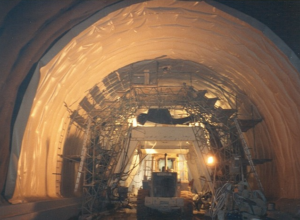
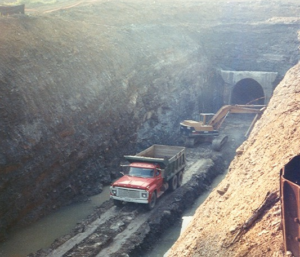
Transportation can be transformative. Take the Cumberland Gap Tunnel. More than 20 years ago, the tunnels, each carrying two-lanes of traffic, were bored through 4,100-feet of solid rock.
This transportation route transformed a steep, mountainous path with 12 percent grades down to 6 percent grades. As a result, there is greater access among the tristate area of Kentucky, Tennessee and Virginia, which serves as a catalyst for economic development for the region.
What used to be a dangerous trip is now a short commute, and the route is so well-used that it boasts one of the few non-interstate Cracker Barrels in the country.
Superloads with multiple axles choose to use the tunnel instead of going across Jellico Mountain on I-75. Almost no other tunnel in the United States allows hazardous material. The Cumberland Gap Tunnel can take accommodate goods such as gasoline and diesel fuel as well as most hazardous material except for Class 1 explosives.
If additional funding became available, there are other potentially transformative projects that would help the region’s economy.
A new I-75 interchange between London and Corbin would provide access to the old U.S. 25 and major industries such as Aisin Automotive Casting, which employs 1,300 people and supplies parts to automakers.
The region also could leverage existing rail infrastructure that used to serve coal mines for new companies that need rail access. There also are key general aviation airports, such as Harlan, which would like to expand the runway to accommodate bigger planes.
But these projects would only be possible with increased investment in transportation infrastructure.